
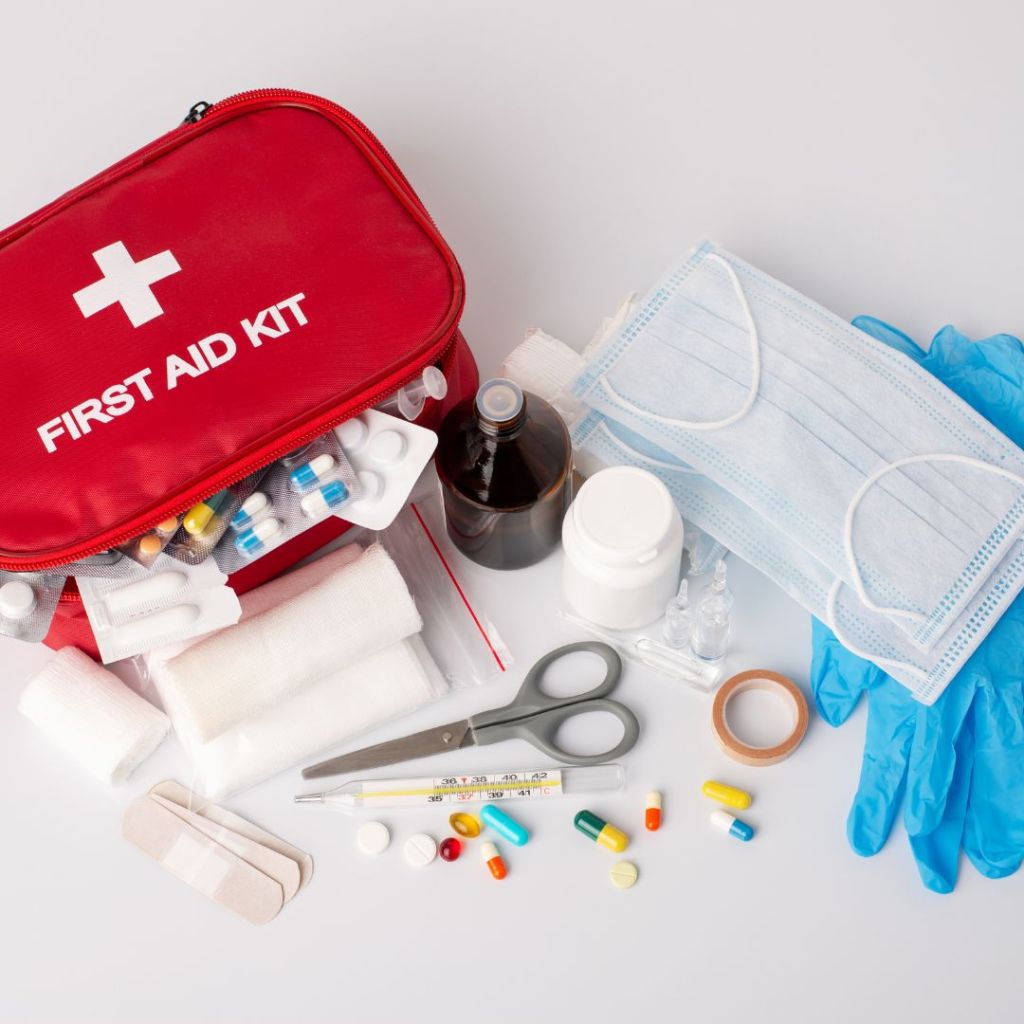
As a parent, knowing basic first aid is crucial. From bumps and bruises to more serious emergencies, being prepared can make all the difference in ensuring the well-being of your child. In this guide, we’ll cover essential first aid basics that every parent should know, empowering you to handle common injuries and emergencies with confidence.
Why First Aid Skills are Important for Parents
Accidents can happen anywhere, anytime, and having the knowledge to respond quickly can be life-saving. Here’s why first aid skills are essential for parents:
- Immediate Response: In an emergency, knowing what to do can prevent the situation from worsening.
- Comfort and Calm: Your child looks to you for reassurance. Being confident in your ability to provide care can help keep everyone calm.
- Prevent Further Injury: Proper first aid can minimize the risk of complications and further injury.
- Medical Assistance Delay: In some cases, you may be the first responder until medical professionals arrive.
Basic First Aid Tips for Parents
1. Cuts and Scrapes
- Wash your hands thoroughly.
- Clean the wound with mild soap and water.
- Apply an antibiotic ointment and cover with a sterile bandage.
- Watch for signs of infection such as redness, swelling, or warmth.
2. Burns
- Hold the burned area under cool (not cold) running water for at least 10 minutes.
- Do not apply ice, butter, or ointments.
- Cover the burn with a clean, dry cloth.
- Seek medical attention for severe burns, especially if blistering occurs.
3. Sprains and Strains
- Rest the injured area.
- Apply ice wrapped in a cloth for 15-20 minutes every few hours.
- Use a compression bandage to reduce swelling.
- Elevate the injured area above heart level when possible.
4. Choking
- If the child can cough forcefully, encourage them to continue coughing.
- If they cannot breathe, perform abdominal thrusts (Heimlich maneuver).
- If the child is unconscious, perform CPR.
- Call for emergency medical help immediately.
5. Nosebleeds
- Have the child sit upright and lean forward slightly.
- Pinch the soft part of the nose just below the bridge.
- Apply pressure for 10 minutes without releasing.
- If bleeding persists, seek medical attention.
6. Poisoning
- Call the Poison Control Center immediately.
- Do not try to induce vomiting unless instructed by a professional.
- Have the child drink water or milk if instructed to do so.
- Have the container of the ingested substance ready for reference.
7. Fever
- Monitor the child’s temperature with a thermometer.
- Offer plenty of fluids to prevent dehydration.
- Use fever-reducing medications as directed by a healthcare provider.
- Dress the child lightly to allow heat to escape.
8. Fractures
- Do not move the child if there is suspected neck or spine injury.
- Support the injured area with a splint (rolled-up magazine or board).
- Apply ice wrapped in a cloth to reduce swelling.
- Seek medical help immediately.
Additional Tips for Parents
– First Aid Kit
- Keep a well-stocked first aid kit at home and in your car.
- Ensure medications are not expired and supplies are replenished regularly.
– CPR and First Aid Training
- Consider taking a CPR and basic first aid course to enhance your skills and confidence.
– Stay Calm
- In any emergency, staying calm and collected allows you to think clearly and act effectively.
Empower yourself with these basic first aid tips, and you’ll be better equipped to handle common injuries and emergencies that may arise with your child. Remember, quick action and knowledge can make a significant difference in the outcome of an emergency situation. Being prepared gives you the peace of mind to enjoy your time with your child, knowing you can provide care when needed.
Are you ready to take on the role of a confident first responder for your family? Share your own first aid tips and experiences in the comments below! #FirstAid #ParentingTips #ChildSafety #EmergencyPreparedness #FamilyWellness
Don’t forget to subscribe for more info, advice and parenting fun!
If you make a purchase through a link in this blog I may earn a small commission at no additional cost to you.



 Messy Bun Kinda Mum
Leave a Reply